23 UK species · field guide for 2026
Meet every duck in the British Isles.
A museum-grade field guide with real photos, identification keys, interactive maps and an arcade-style identifier. Learn to tell a teal from a wigeon in minutes.
Species profiled
Red-listed
Duck families
Free to use
Featured species
Start with the familiar
Photographic profiles with male & female plumage, measurements and field marks.
 Green list
🏠
Green list
🏠
Mallard
Anas platyrhynchos
The UK’s most familiar duck — the ancestor of nearly all domestic ducks and the benchmark every other species is measured against.
- Length
- 50–65 cm
- Wingspan
- 81–98 cm
- Feeds
- Dabbler
 Green list
🏠
Green list
🏠
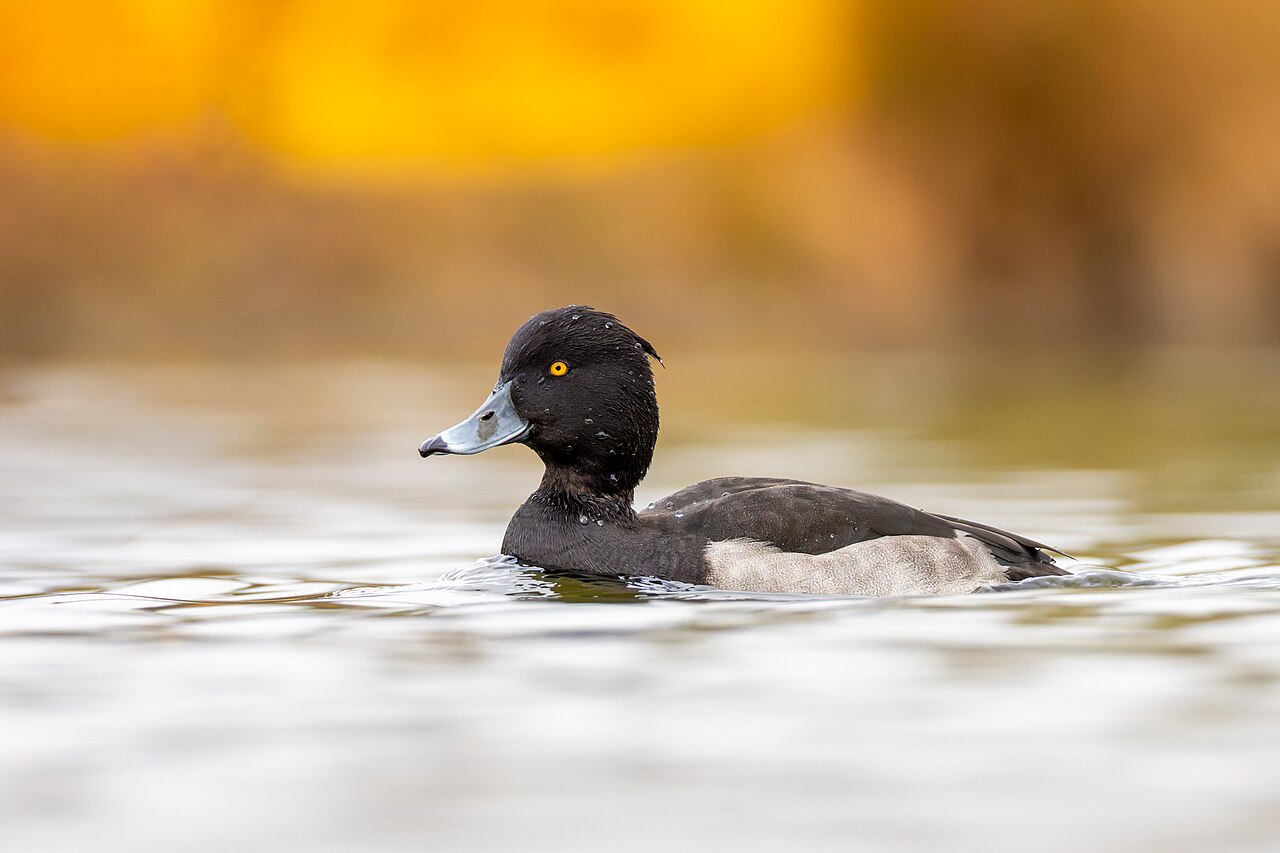
Tufted Duck
Aythya fuligula
A smart black-and-white diving duck with a jaunty dangling crest, common on lakes and reservoirs.
- Length
- 40–47 cm
- Wingspan
- 65–76 cm
- Feeds
- Diver
 Introduced list
🏠
Introduced list
🏠
Mandarin Duck
Aix galericulata
An elaborately decorated, jewel-bright duck from East Asia that has made itself at home in British woodlands.
- Length
- 41–49 cm
- Wingspan
- 65–75 cm
- Feeds
- Dabbler
 Amber list
❄️
Amber list
❄️
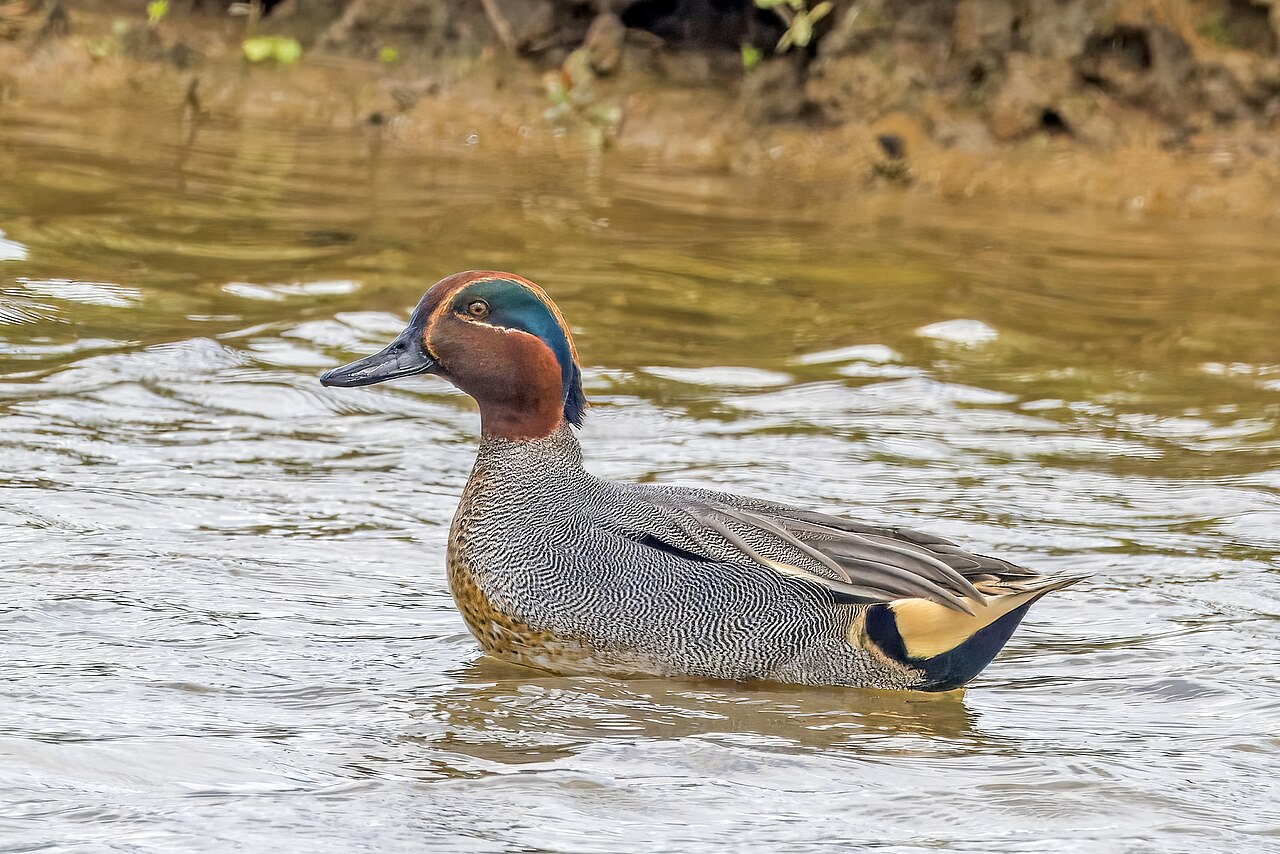
Eurasian Teal
Anas crecca
Our smallest duck — a dainty, fast-flying dabbler that gathers in busy, twittering flocks on marshes.
- Length
- 34–38 cm
- Wingspan
- 53–59 cm
- Feeds
- Dabbler
Learn the method
Four clues, one duck
Duckopia teaches you the same four-step method field ornithologists use. Master these and you'll identify almost any duck in seconds.
Size & shape
Is it mallard-sized, tiny like a teal, or big like a shelduck? Silhouette tells you the family fast.
Feeding behaviour
Dabblers tip up; divers vanish; sea ducks ride the swell; grazers walk like geese.
Habitat
A park pond, an estuary, the open sea — where you are narrows the list immediately.
Colour & marks
The final filter: a green head, a white cheek patch, a chestnut breast, a curled tail.
Conservation matters
5 UK ducks need our help
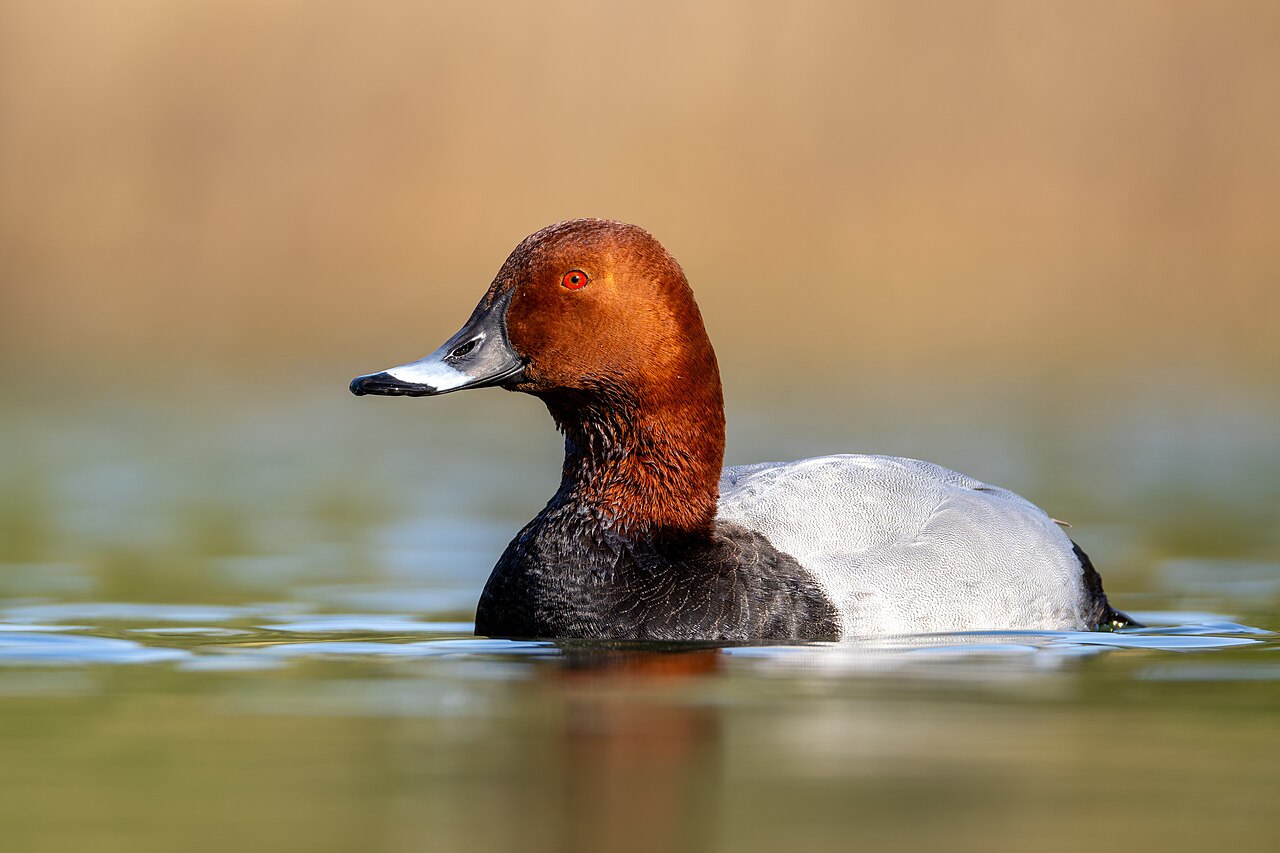
The UK's Birds of Conservation Concern assessment places several of our ducks on the Red list — the highest level of concern. Duckopia uses the latest BoCC5 status on every profile so you know which species most need a hand.
- Red list — urgent action needed (e.g. pochard, scaup, scoters)
- Amber list — declining or rare (e.g. teal, wigeon, shelduck)
- Green list — healthy, stable populations (e.g. mallard, tufted duck)

Field journal
Read & learn
Seasonal
Winter Wonders: A Beginner’s Guide to Our Teal and Wigeon
As the cold sets in, estuaries fill with whistling teal and grazing wigeon. Here’s how to tell them apart.
Toby Ashbridge · 1 min read
Field notes
Counting Eiders: An Interview from the North Sea Coast
We spend a blustery morning with a sea-duck counter on the Firth of Forth.
Toby Ashbridge · 1 min read
Conservation
The Pochard Puzzle: Why a Common Duck Is Now Red-Listed
Once a familiar sight on winter lakes, the pochard has declined sharply. What’s going on?
Dr. Mara Fenwick · 1 min read